
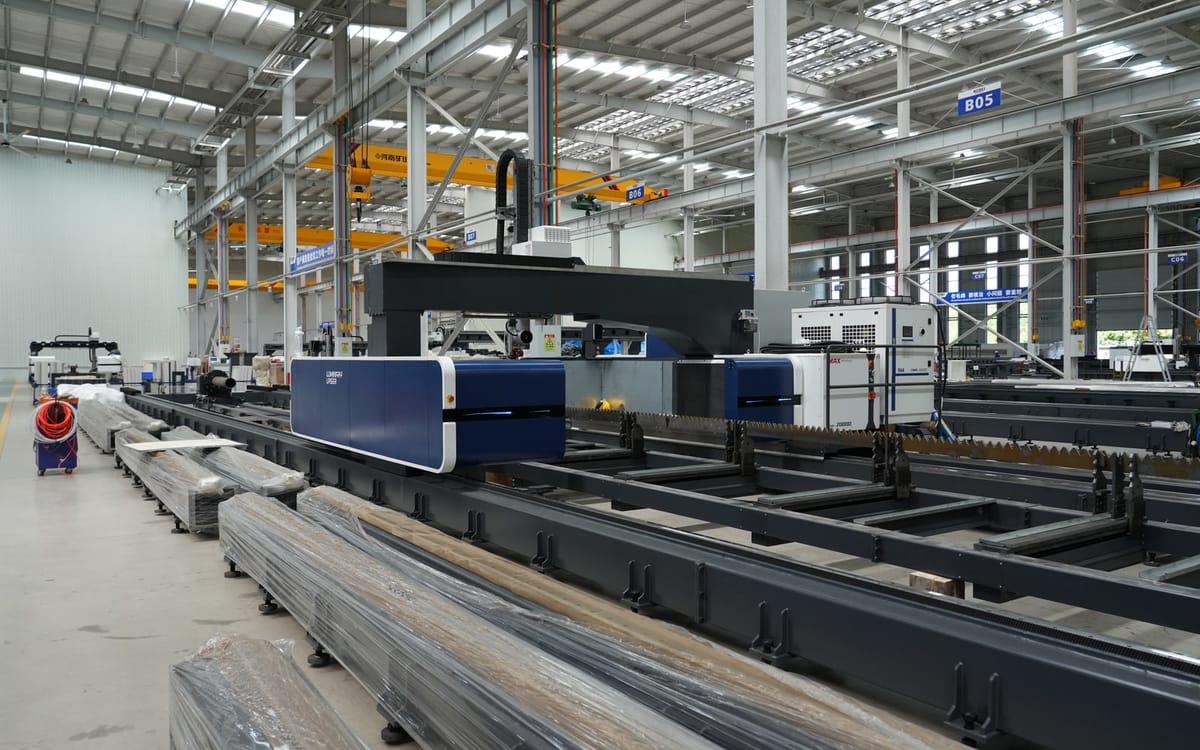
Start with your real material mix
A shop cutting thin carbon steel all day has different needs from a manufacturer cutting stainless steel, aluminum, and thicker plate. List your common materials, normal thickness range, and maximum thickness before comparing laser power.
For quote planning, include the percentage of work that falls into each thickness range. This helps avoid overspending on unused capacity or selecting a machine that becomes a bottleneck after installation.
Balance power with cutting speed and edge quality
Higher power can increase cutting speed on suitable materials, but machine rigidity, cutting head configuration, gas delivery, and setup quality still matter. A complete machine configuration is more important than a wattage number alone.
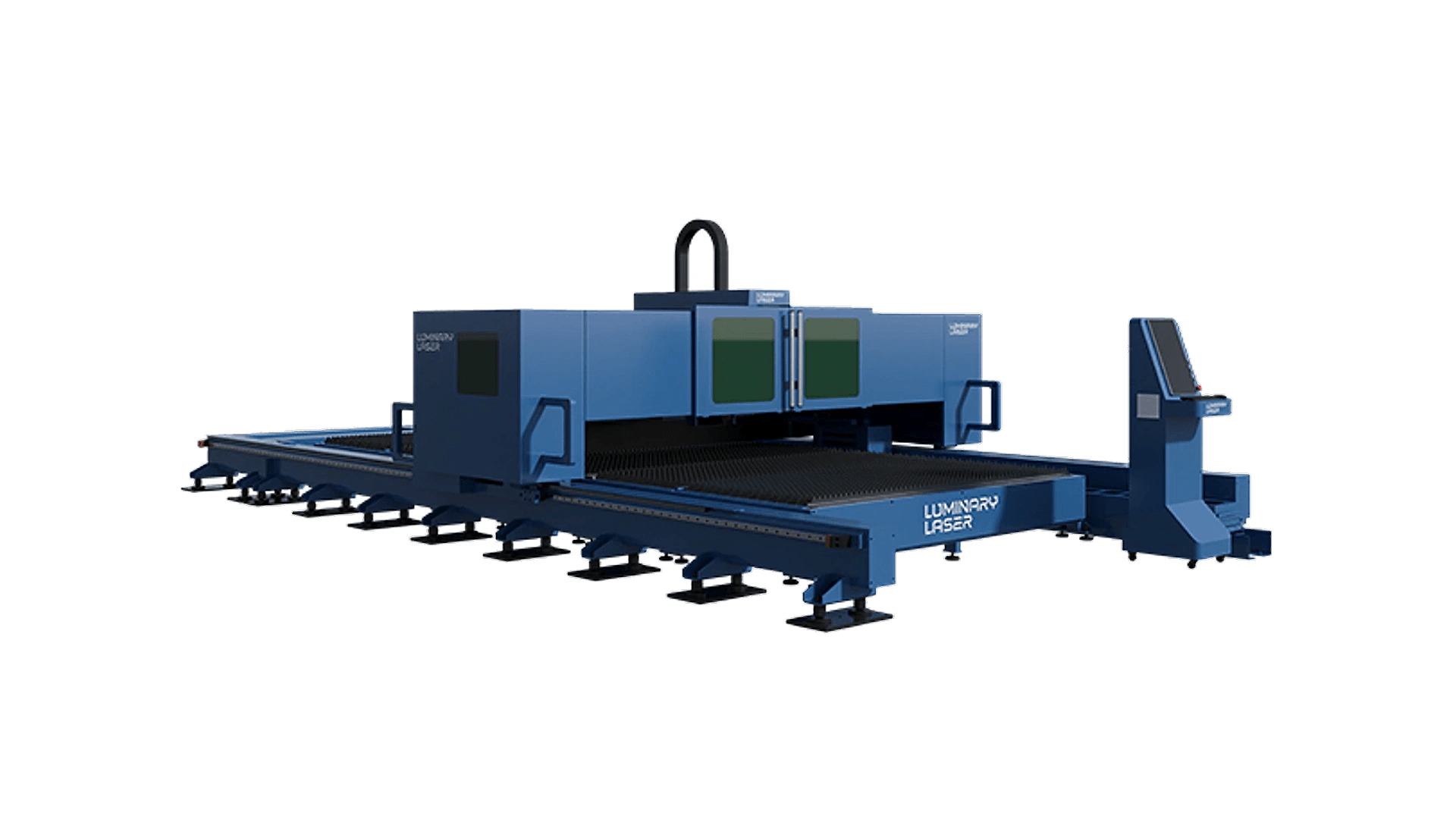
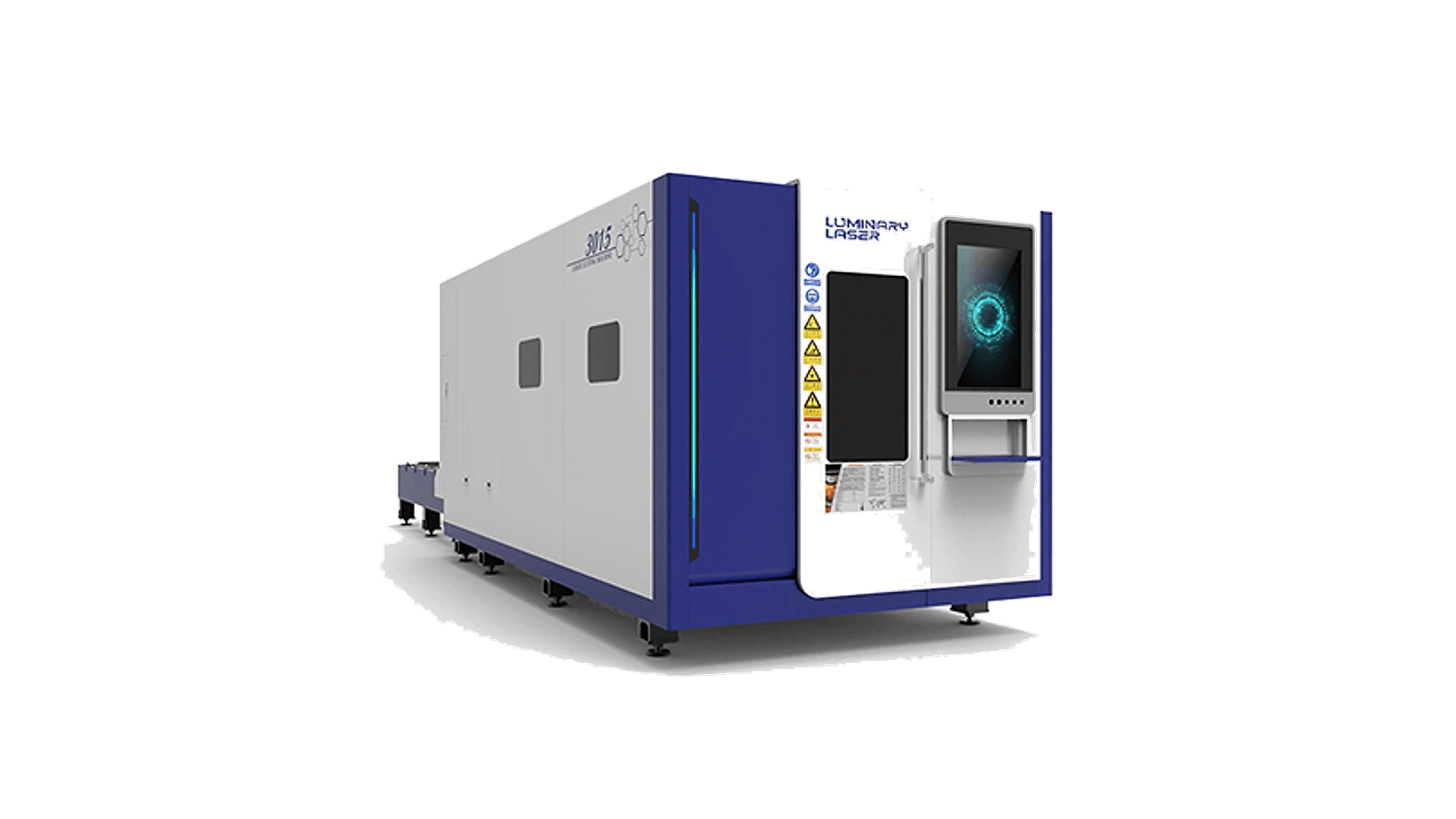
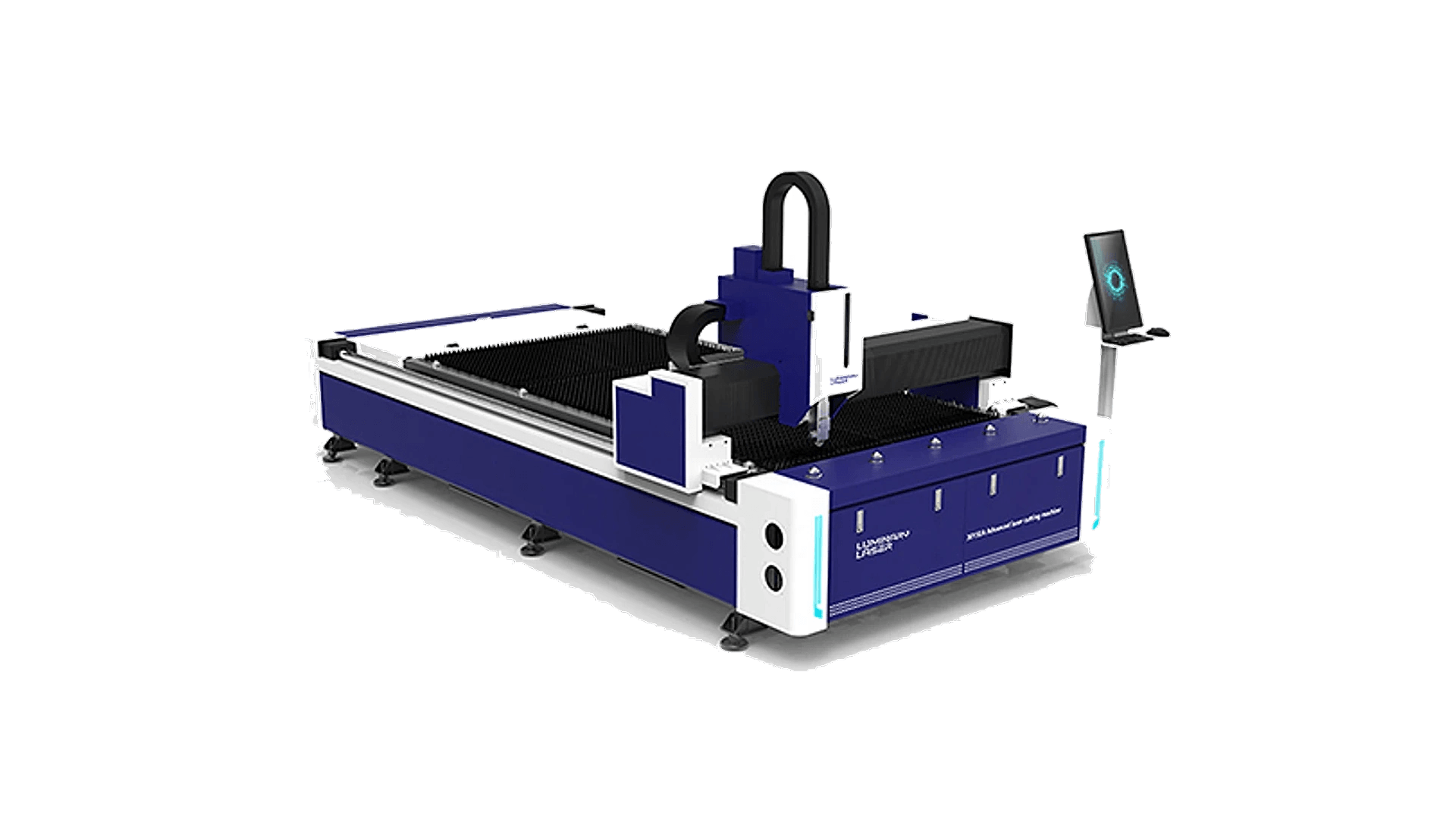
For U.S. buyers, it is useful to compare the full operating plan: laser power, working area, dust control, chiller capacity, gas consumption, service access, and operator training.
Plan for future work, but stay practical
If your customer base is moving toward thicker plate or higher production volume, extra capacity may be justified. If most jobs are repeat thin-sheet parts, a balanced system may produce a better return.
The best next step is to request a configuration based on actual drawings, material type, thickness, daily production volume, and the cutting gases available in your region.
Join the conversation
Reader discussion
Share a question or your experience with this topic. Comments appear immediately after submission. For a machine quotation, contact our team directly.
Loading reader comments…
Leave a comment