
Best for fabricators processing round, square, rectangular, and shaped tube for frames, railings, structures, and industrial components.
Product category
Tube Laser Cutting Machines for Round, Square & Rectangular Tube
Compare tube laser cutting machines for round, square, rectangular, and shaped profiles with manual, semi-automatic, automatic loading, and bevel options.
Buyer guidance
Choose the machine around your material, workflow, and support plan.
Compare tube profile, diameter range, wall thickness, loading method, bevel needs, and daily production volume before selecting a model.
Quote coordination, installation planning, operator training, and parts support are handled for buyers across most U.S. regions through the Houston office.
Send material, thickness, working size, production volume, and installation location so the machine recommendation matches the real shop workflow.
Round, square, rectangular, and shaped tube jobs should be compared by profile, diameter range, wall thickness, maximum tube length, loading method, and changeover frequency.
Read the round, square, and shaped tube guideCompare tube laser cutting with tube sawing and drillingCompare manual, semi-automatic, and automatic tube loadingUse the tube laser buying checklistCompare tube laser machine quote scope and cost inputsUnderstand 3D bevel cutting and formed-part requirementsWorkshop footage · 24 seconds · No audio
See tube cutting up close
This close-up shows tube held in a chuck, the cutting head working around the profile, and the cut end as the process finishes.
Process demonstration; the model, material grade, thickness, and operating settings are not verified for this clip. Request a sample matched to your drawing and the machine being quoted.
Request a demonstration for your parts12 models
Tube Laser Cutting Machine
Compare tube laser loading and bevel configurations
Compare loading method and cut geometry first. Semi-automatic, fully automatic, and bevel configurations address different production requirements; a higher power rating alone does not identify the right tube machine.
Scroll horizontally to see power and quotation details.
| Model | Configuration | Catalog laser power | Confirm before quotation |
|---|---|---|---|
| D12L plus semi-automatic | Semi-automatic tube loading | 1.5, 2, 3 kW | Operator loading steps, profile changes, and finished-part handling. |
| D12L plus fully automatic | Fully automatic tube loading | 1.5, 2, 3 kW | Bundle consistency, staging space, changeovers, and unloading scope. |
| LT-D24 | 6 kW tube processing | 6 kW | Outside diameter, wall thickness, stock length, and support requirements. |
| LT-B24 | Bevel tube cutting with semi-automatic feeding | 6 kW | Joint drawings, bevel angle, root face, fit-up, and downstream welding. |
| B12 | 3D five-axis tube cutting | 1.5–3 kW | Cut orientation, head access, profile geometry, and fixture requirements. |
Provide round-tube outside diameter or square/rectangular section dimensions, wall thickness, bar length, and weight. For example, 20 ft and 24 ft stock is approximately 6.1 m and 7.3 m; these are planning examples, not a statement that every model accepts both lengths.
Review bevel and weld-preparation requirements | U.S. installation and training planning | Request a configuration review
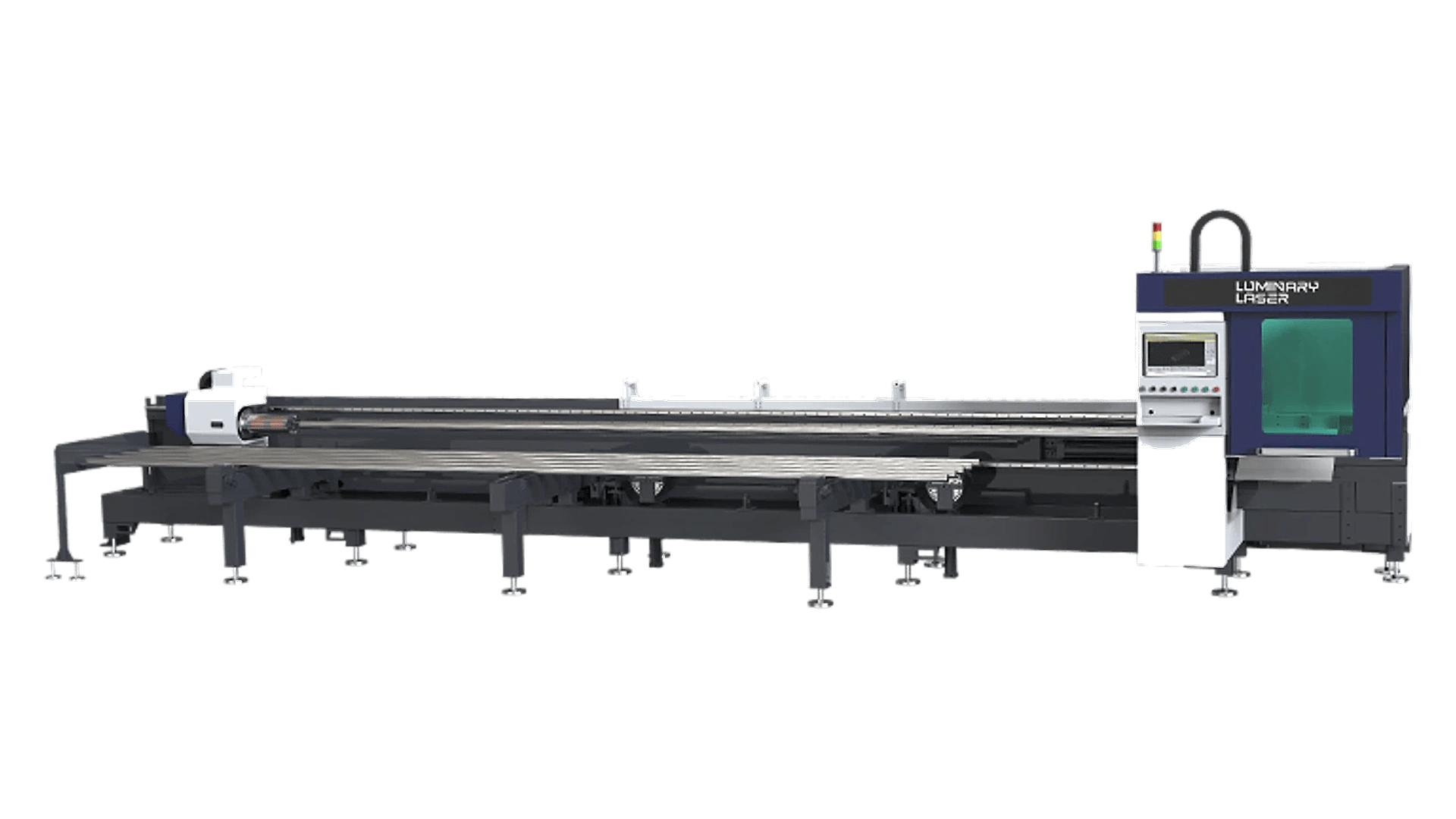
Tube Laser Cutting Machine
D12L plus
D12L plus semi-automatic laser tube cutting machine
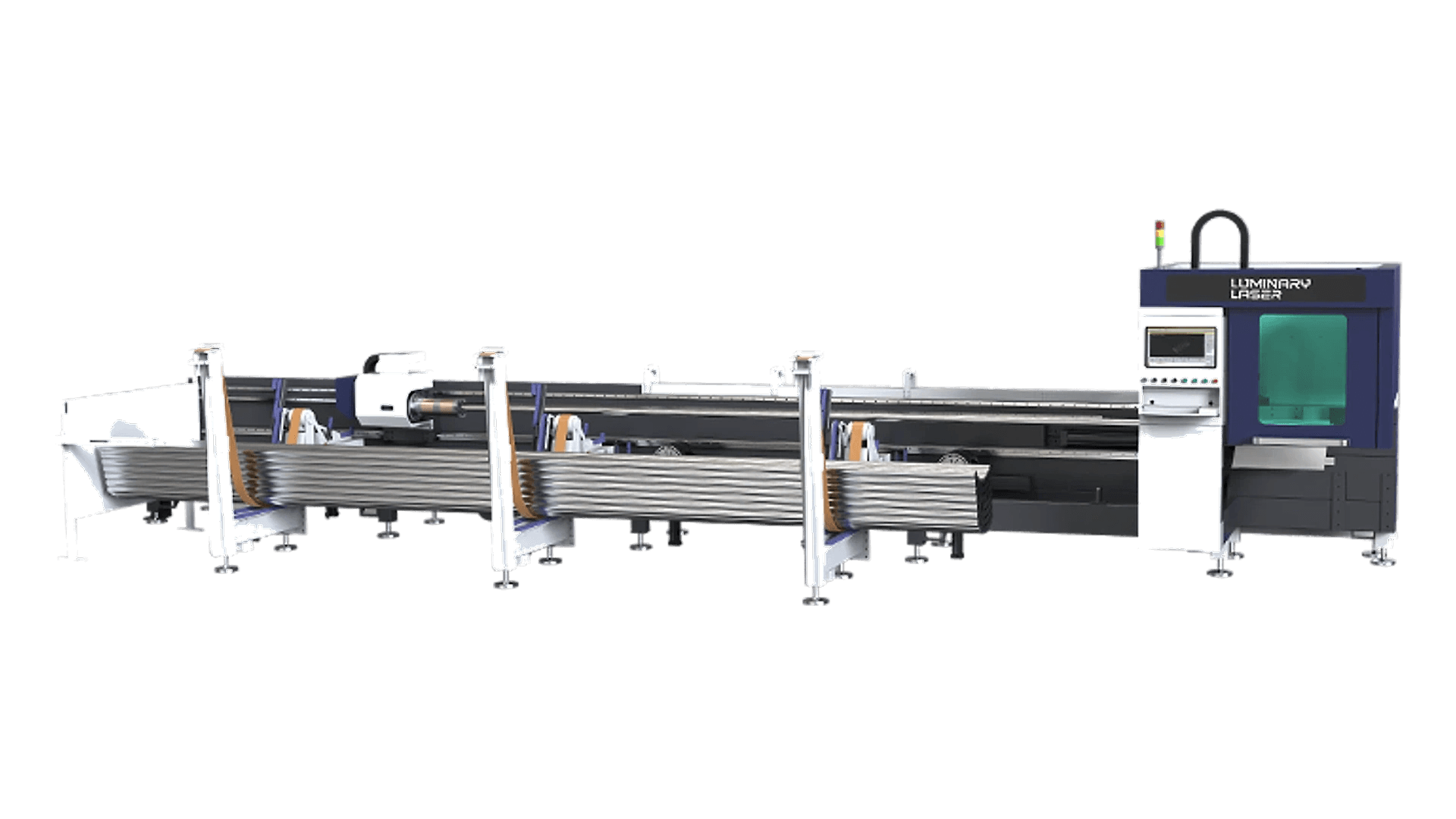
Tube Laser Cutting Machine
D12L plus
D12L plus fully automatic laser tube cutting machine
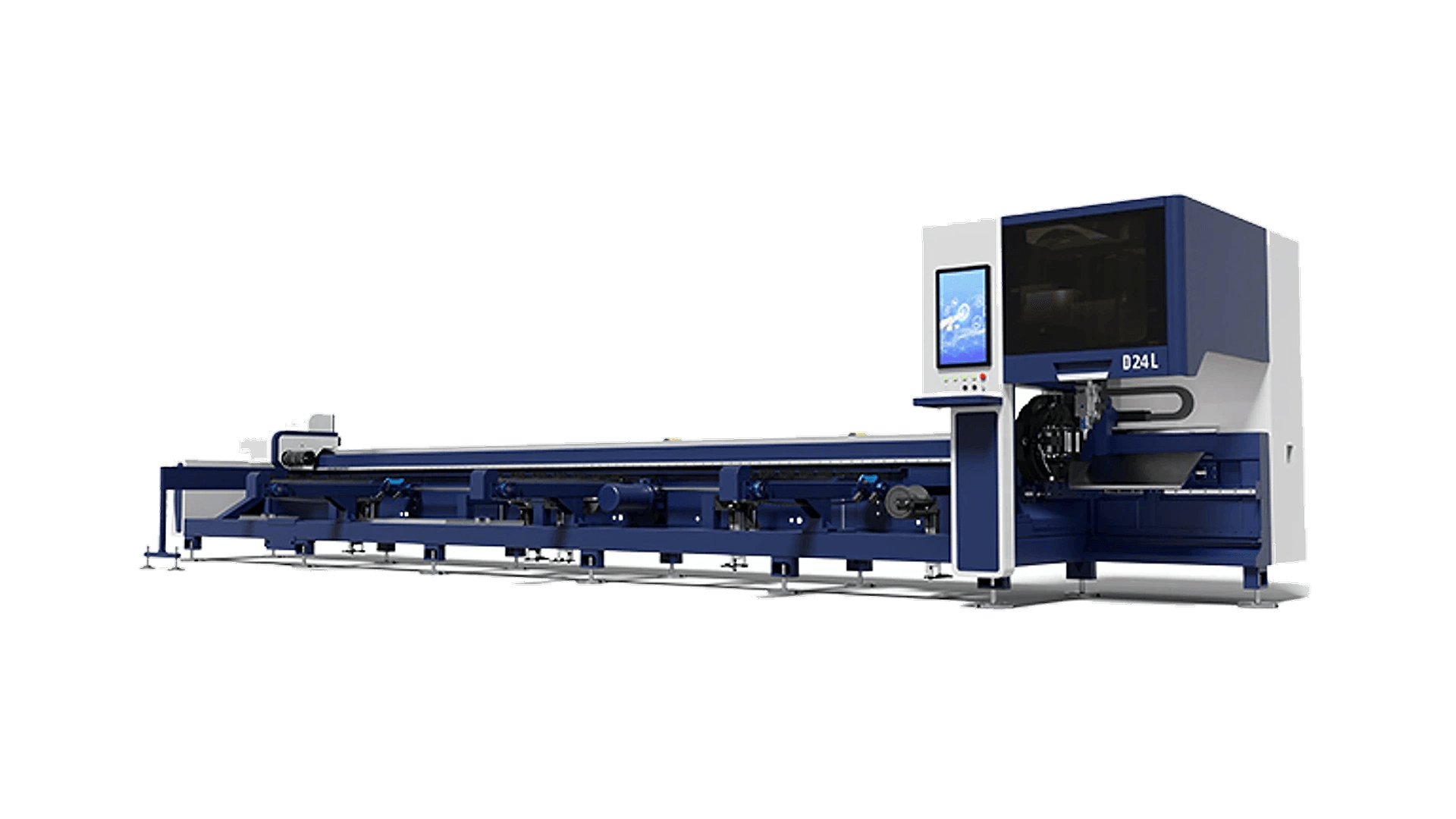
Tube Laser Cutting Machine
LT-D24
D24 Fiber Laser Tube Cutting Machine
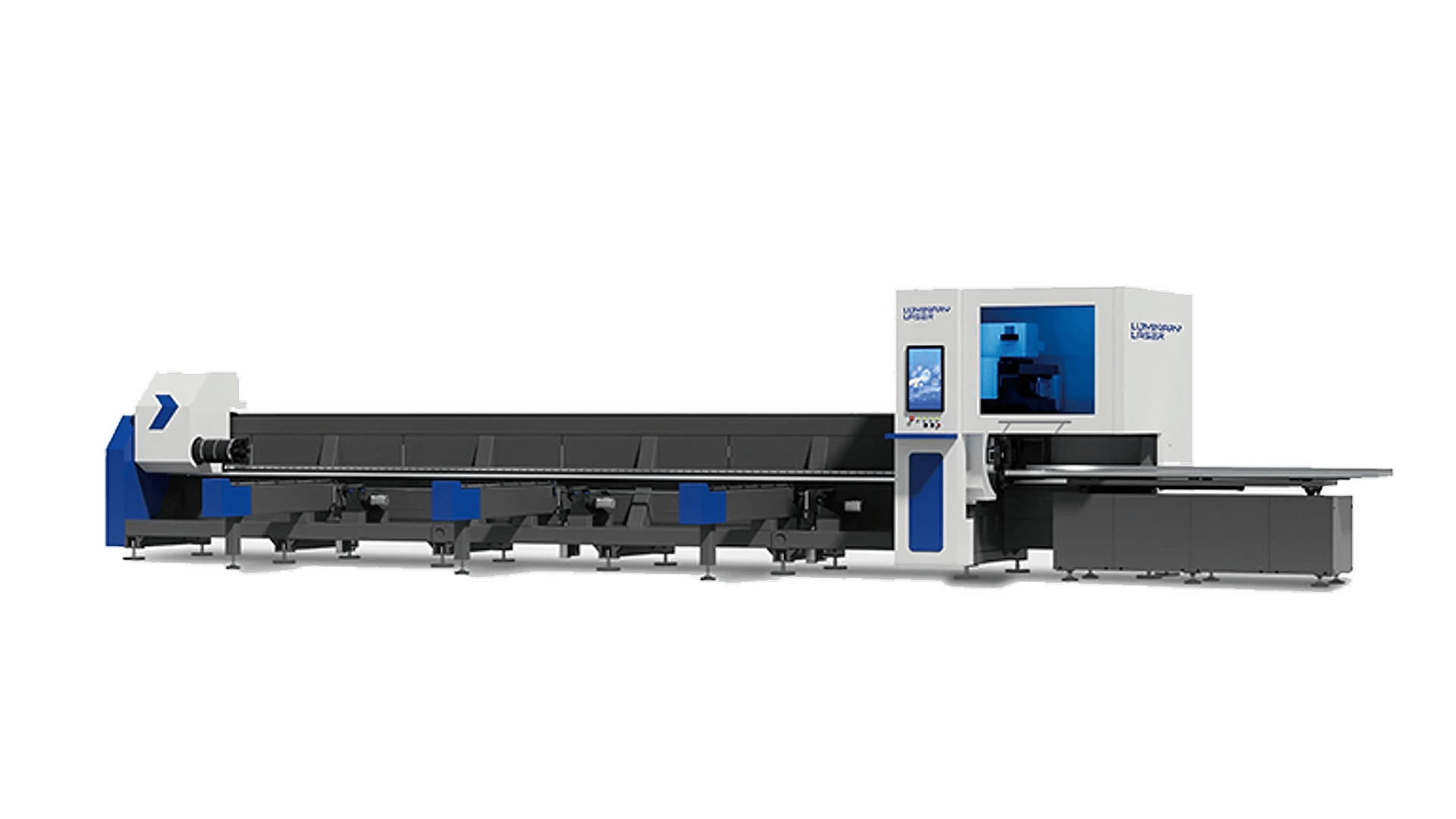
Tube Laser Cutting Machine
LT-B24
Semi-automatic feeding pipe laser cutting machine
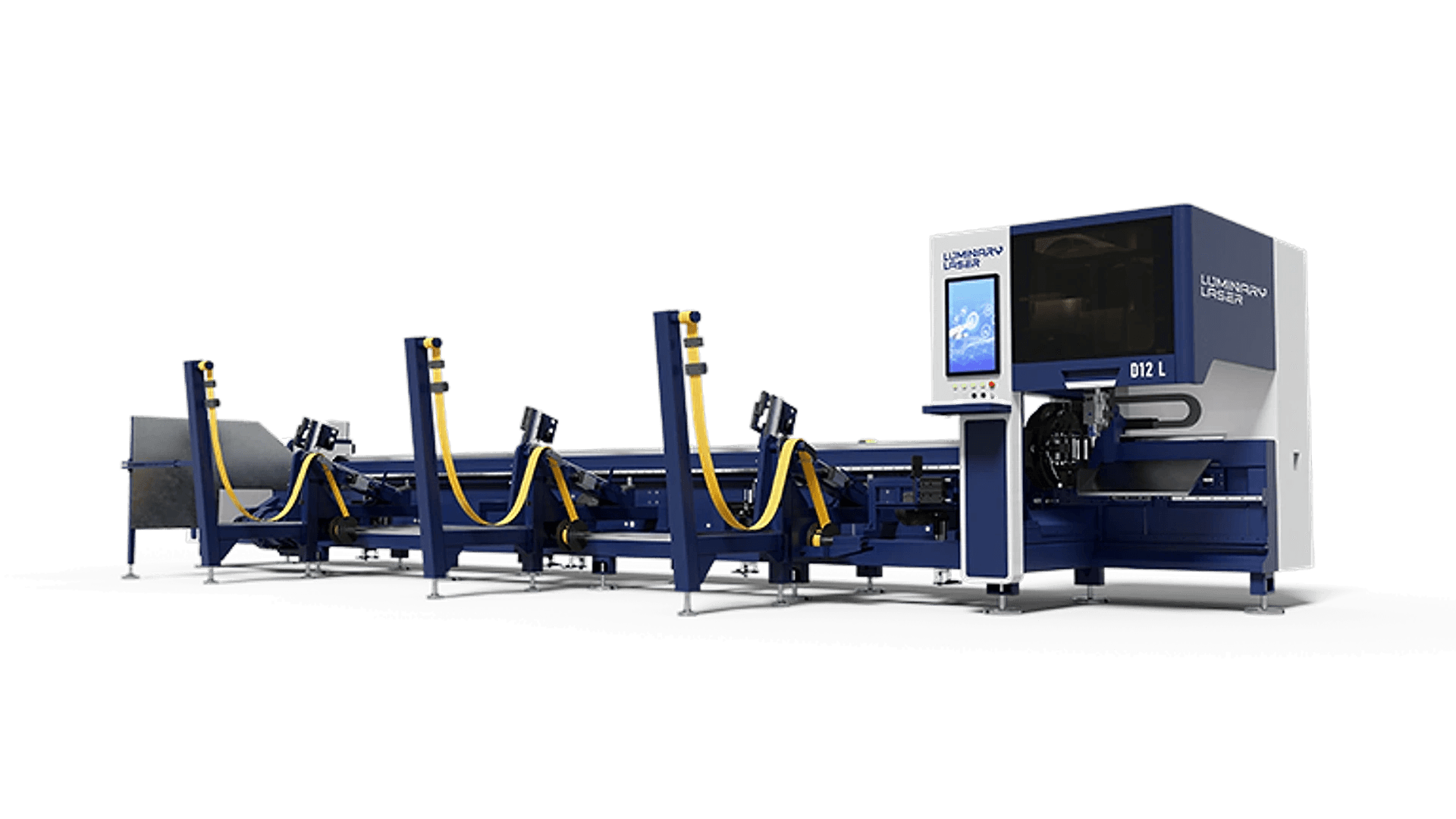
Tube Laser Cutting Machine
D12L
Fully Automatic Loading Tube Laser Cutting Machine
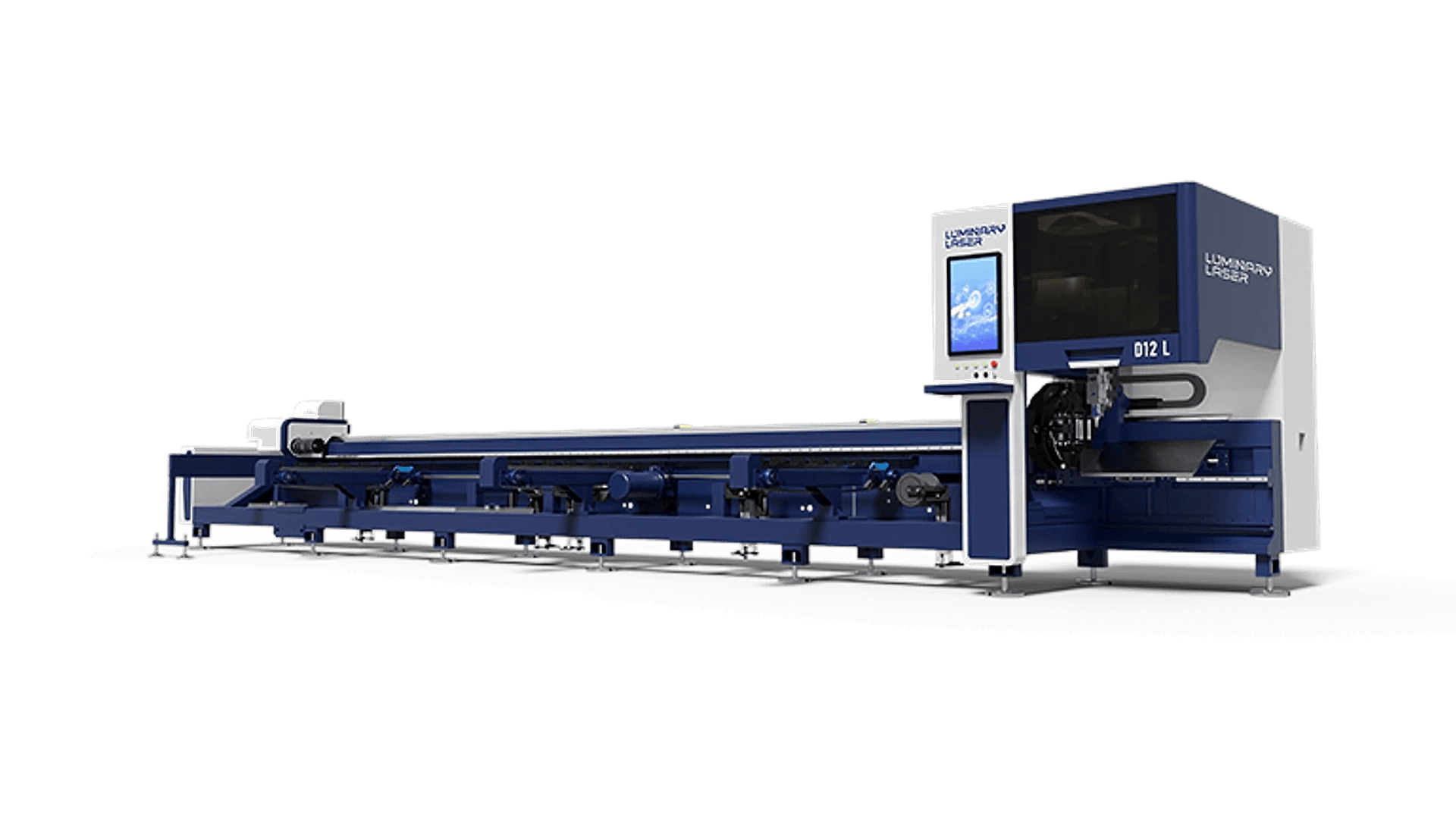
Tube Laser Cutting Machine
D12L
D12L Semi-automatic Laser Tube Cutting Machine
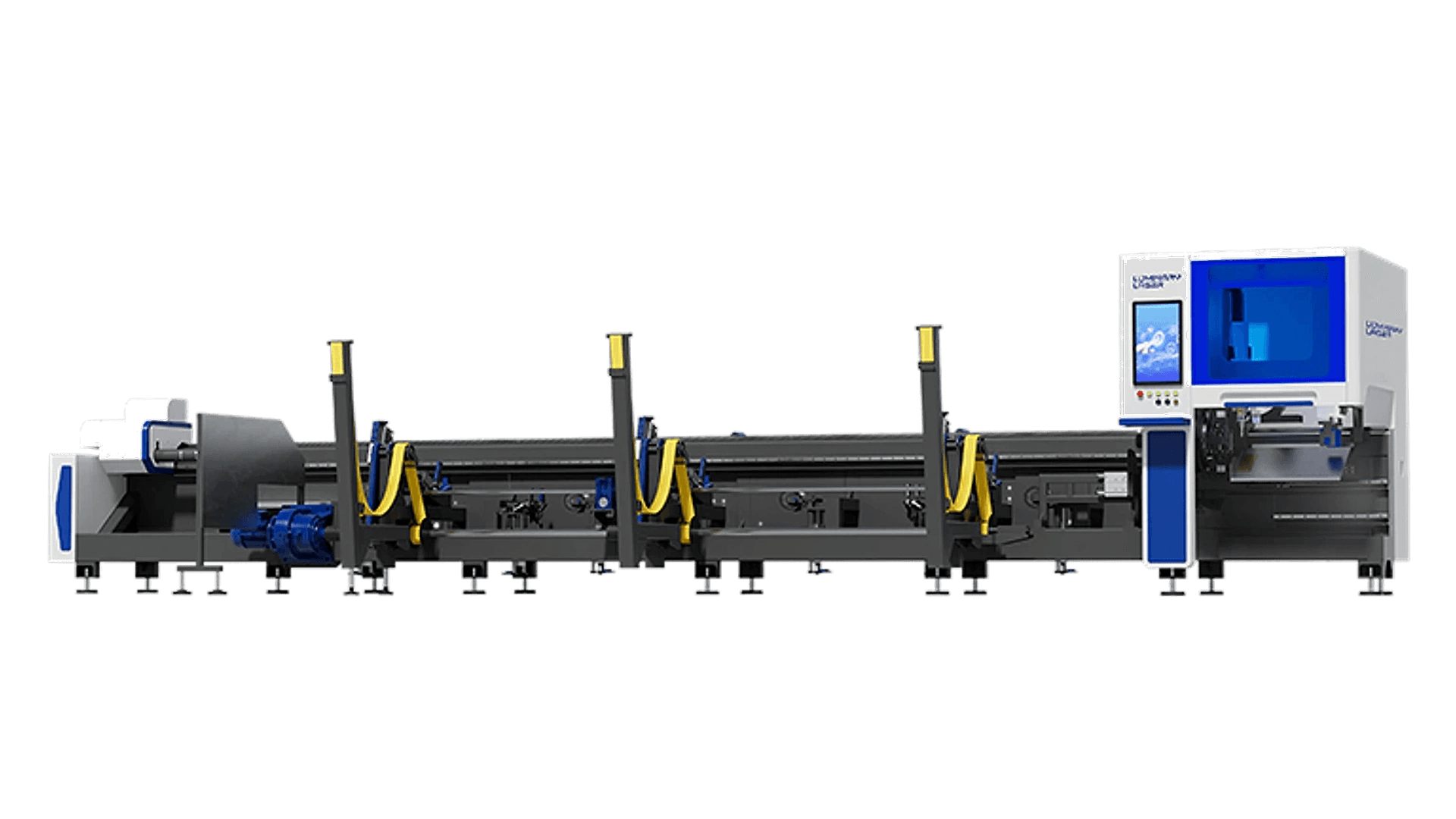
Tube Laser Cutting Machine
D9
Fully Automatic Laser Tube Cutting Machine
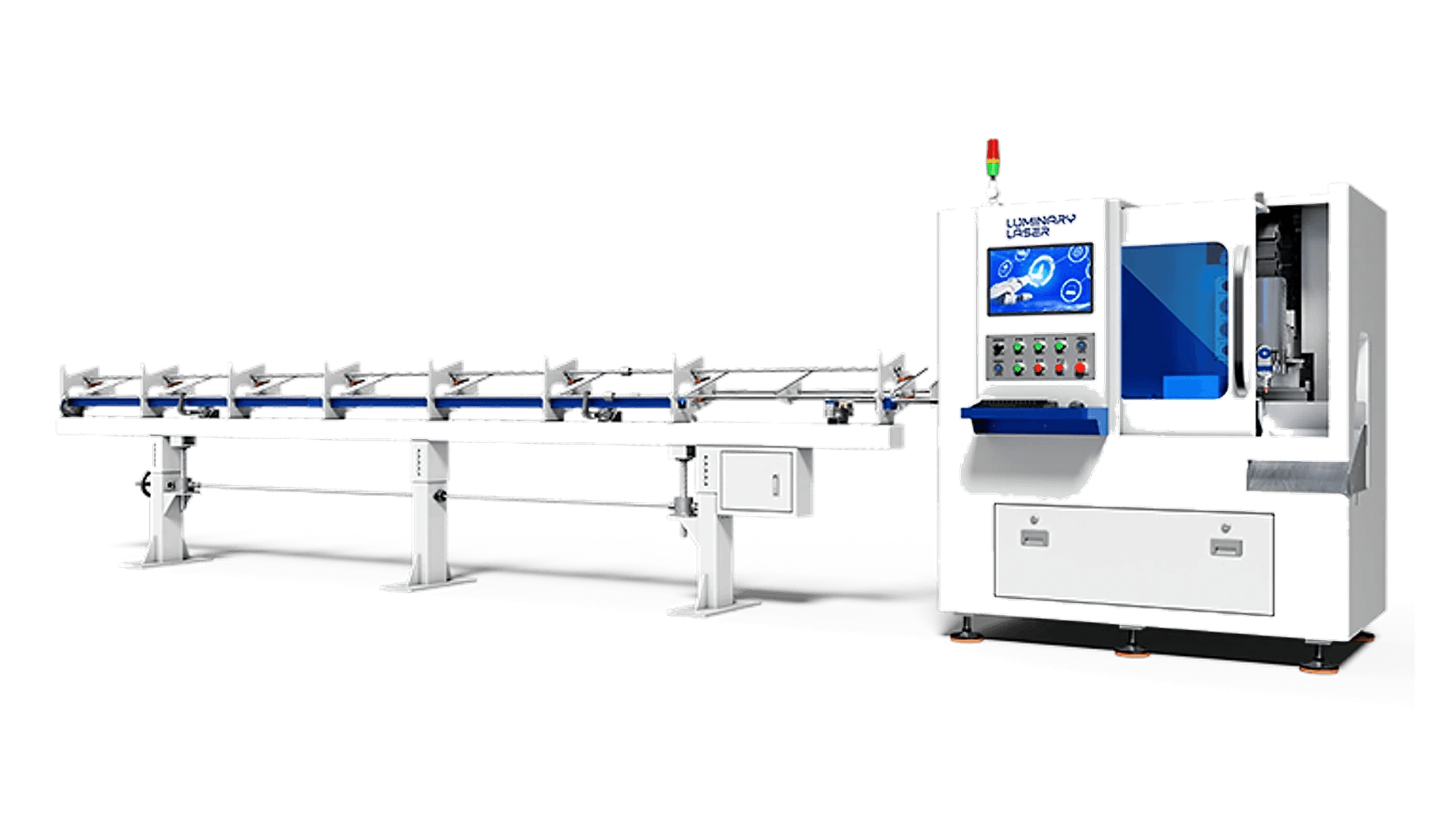
Tube Laser Cutting Machine
D3
Small Tube Laser Cutting Machine
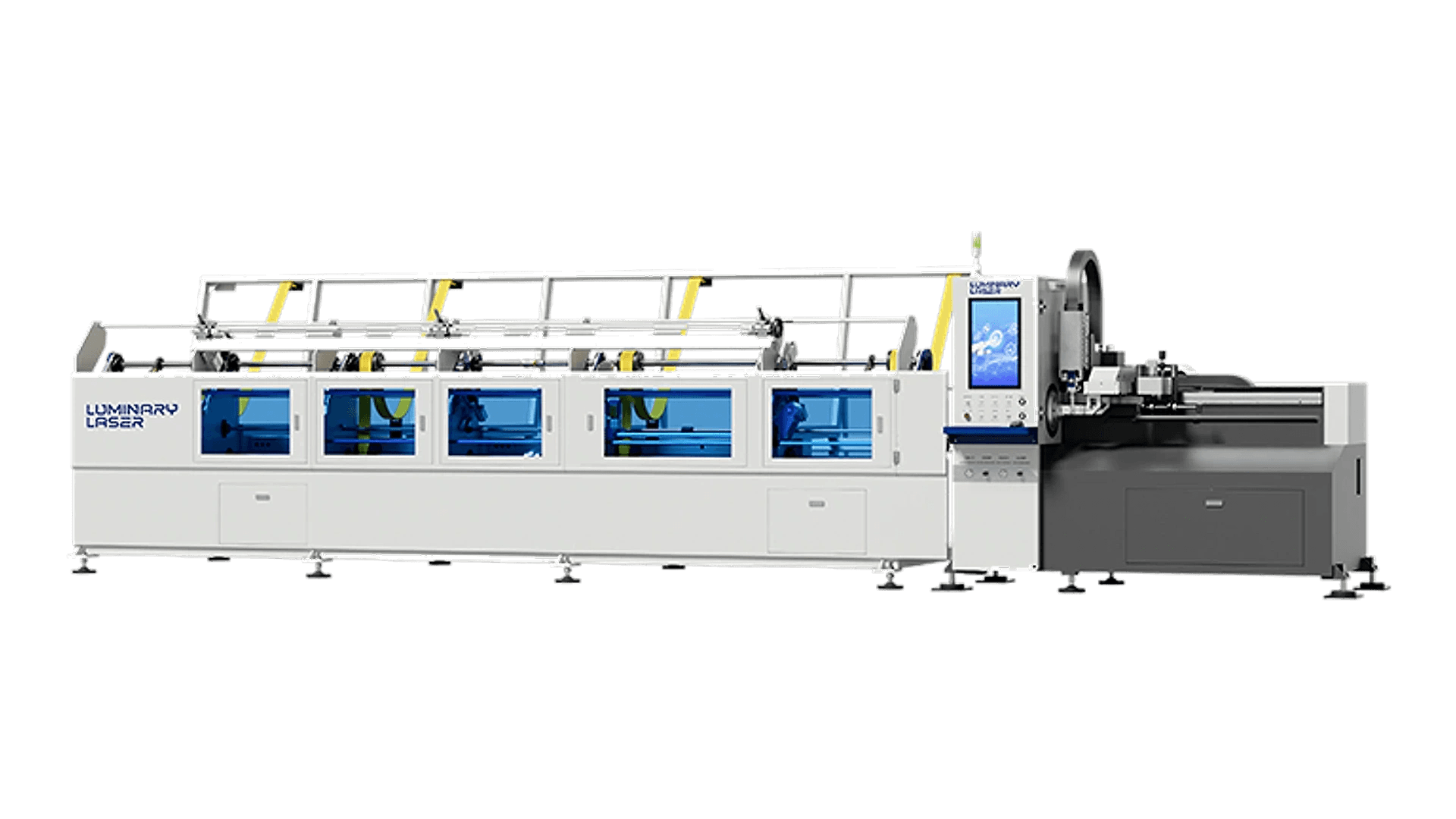
Tube Laser Cutting Machine
D6
Small High-Speed 3D Laser Tube Cutting Machine
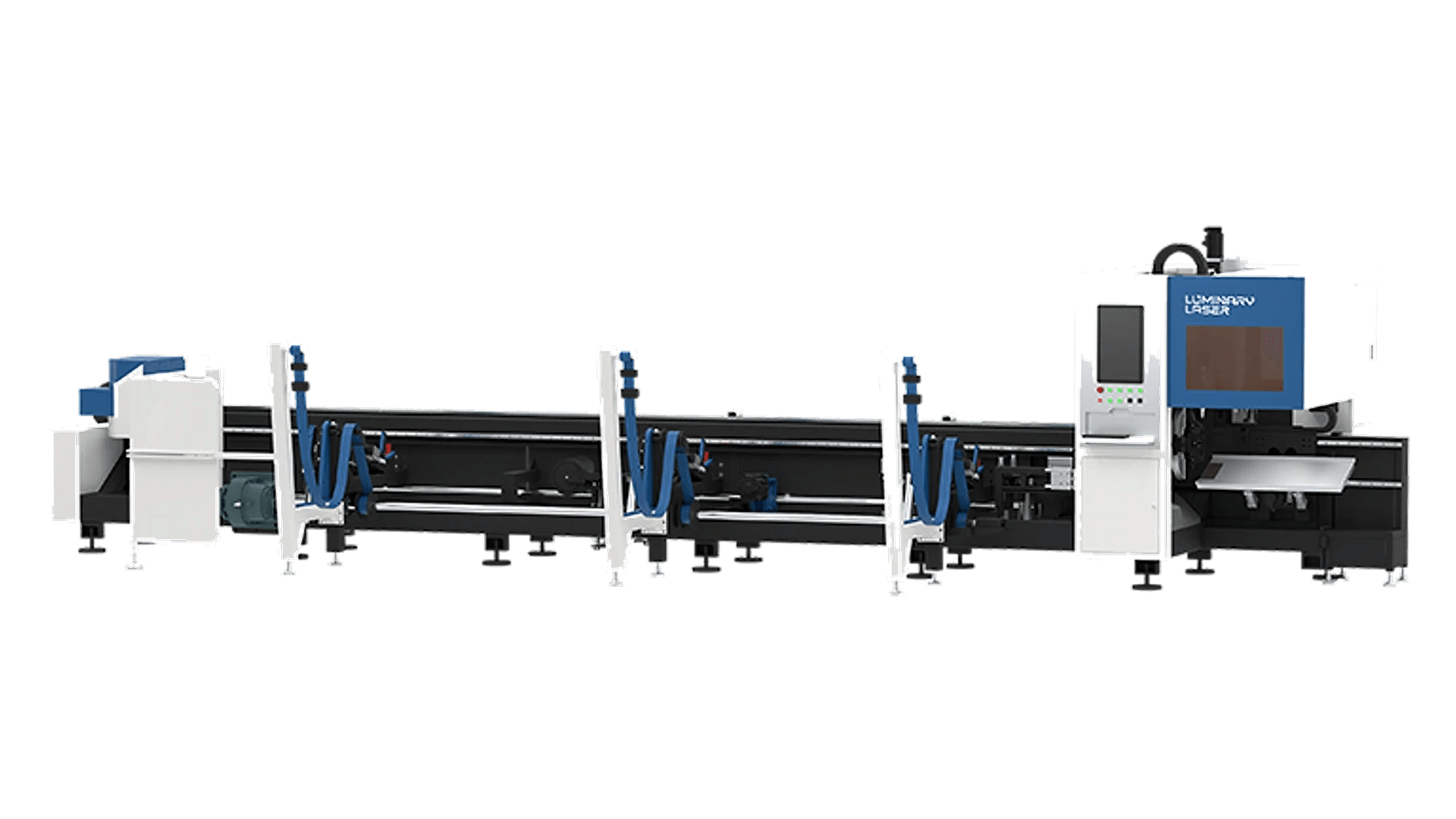
Tube Laser Cutting Machine
D16
Laser Composite Tube Cutting Machine
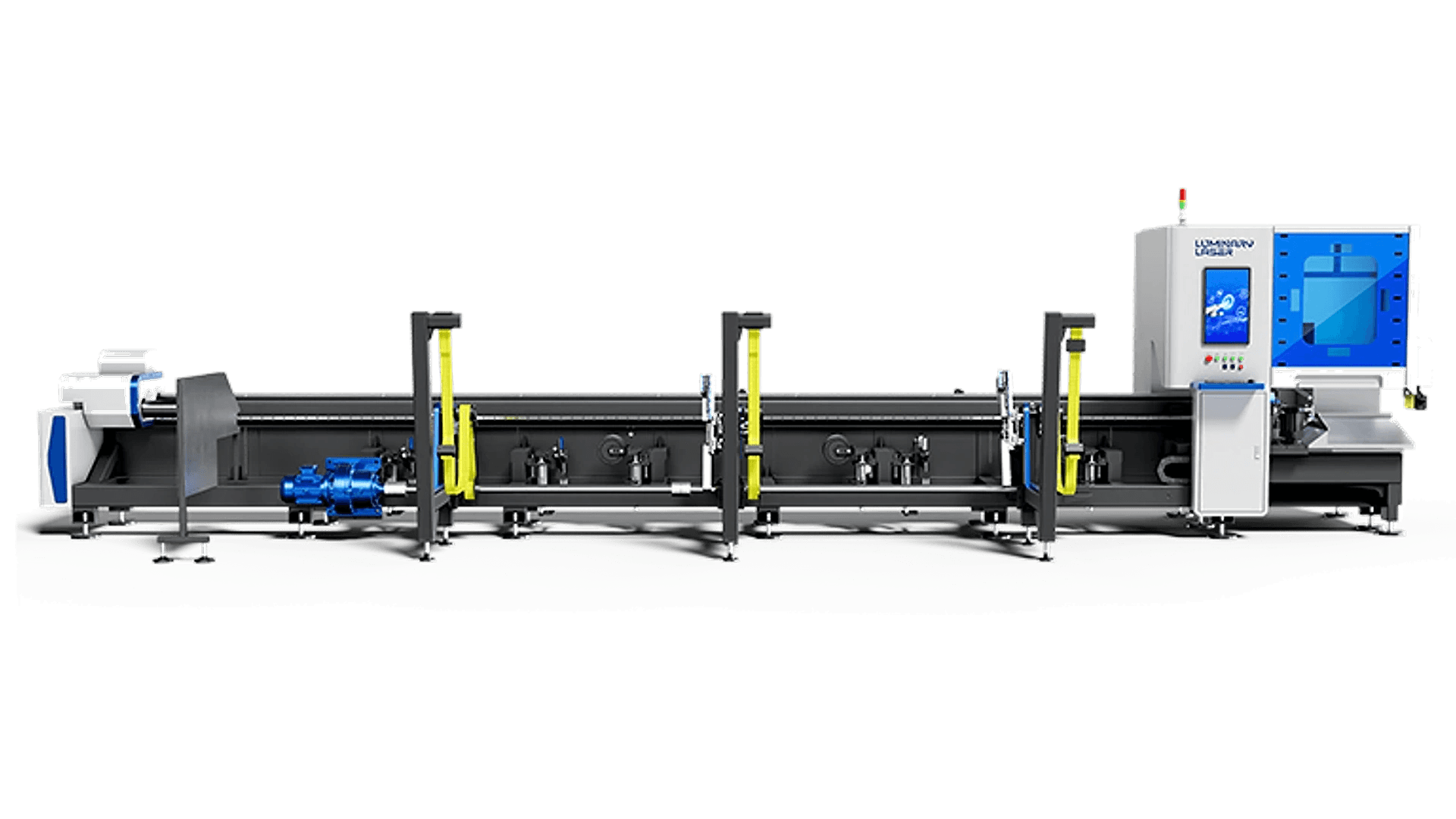
Tube Laser Cutting Machine
B12
3D Five-Axis Laser Tube Cutting Machine
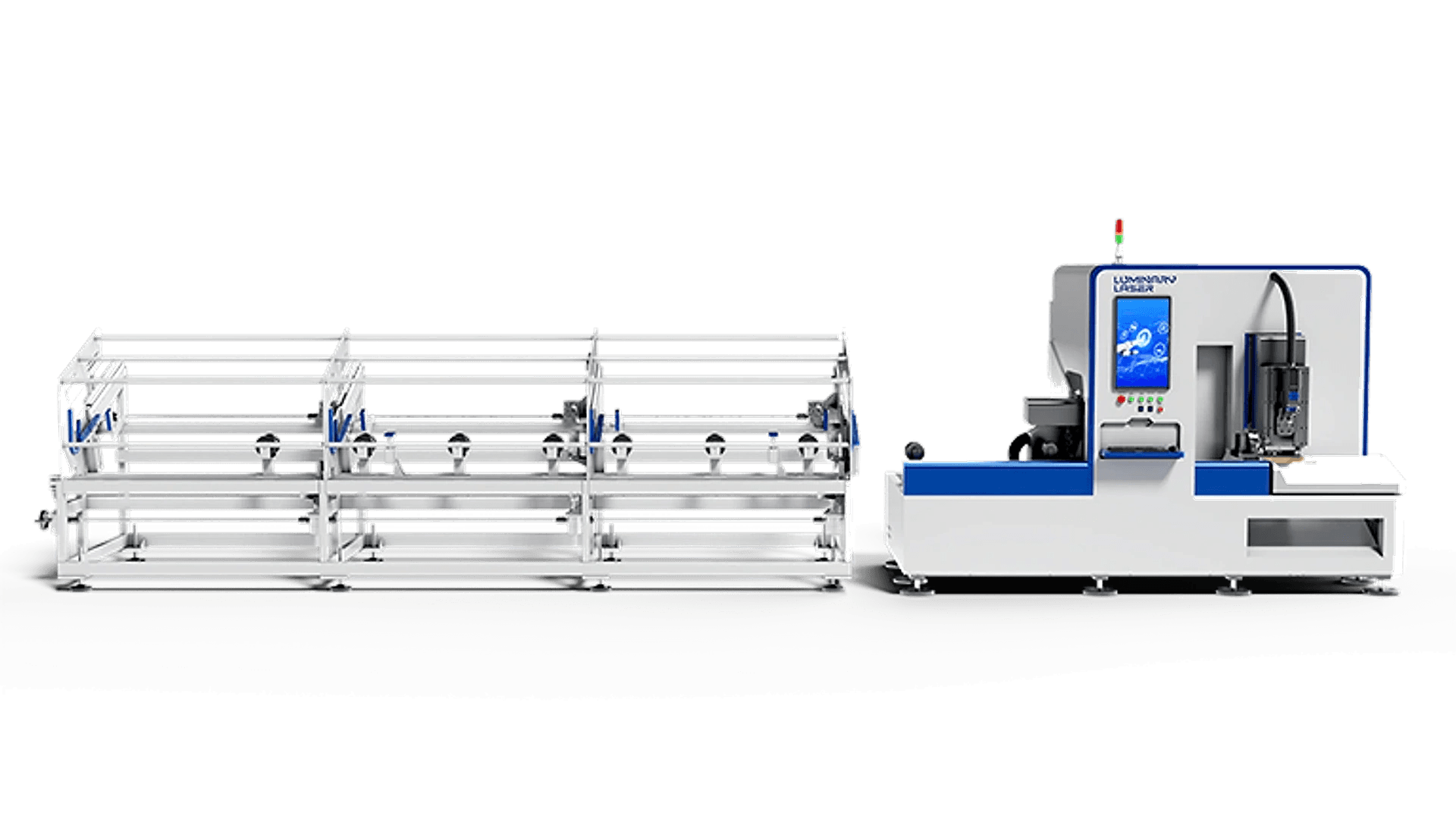
Tube Laser Cutting Machine
B9
New Type Beveling Laser Tube Cutting Machine
Tube & pipe equipment purchasing
What do you need for a tube laser cutting machine quote?
Start with the tube profile, material grade, wall thickness, stock length, and required finished parts. LUMINARY LASER uses these requirements to discuss machine configuration with buyers. For bevels or 3D features, include a drawing and request sample validation on the proposed configuration before committing to a model.
- Stock and handling
- Round-tube outside diameter or rectangular section dimensions, wall thickness, bar length, weight, and expected batch size. Include the smallest and largest stock you actually use.
- Finished-part requirements
- Part length, holes, slots, bevel geometry, drawing tolerances, and the next operation. Distinguish straight tube with angled cuts from a part that is already bent or formed.
- Production and installation
- Daily quantity, profile change frequency, available floor space, installation ZIP code, and loading preference. Ask the quotation to state handling, training, and service scope separately.
Need cut parts rather than equipment? This page covers machine purchases. State clearly if you need a cutting service so the team can clarify whether your request can be supported.
For a like-for-like comparison, request the quoted machine configuration, sample acceptance criteria, included options, exclusions, and installation scope. A video of a different part does not establish the cycle time or tolerances for yours.
Machine planning FAQs
Questions to answer before comparing tube laser cutting machine models.
Is this a tube cutting service quote or a machine purchase quote?
This page is for purchasing tube laser cutting equipment. To request a machine quote, send your material, tube dimensions, wall thickness, stock length, production volume, drawings, and installation location. If you need finished parts instead, explain that requirement so the team can confirm whether it can assist.
Does every tube laser include 3D bevel cutting?
No. Confirm the cutting-head configuration, supported bevel features, software, and material handling for the model being quoted. Request a sample using your joint geometry; straight-tube bevel capability does not by itself establish that a machine can cut bent components.
What tube profiles should be reviewed for a tube laser?
Review the round, square, rectangular, and shaped profiles your shop actually processes, along with outside diameter or section size, wall thickness, normal bar length, and required cut features. Confirm the final range with the selected machine configuration.
What information should a fabrication shop send for a tube laser recommendation?
Send representative drawings, material grade, profile range, wall thickness, bar lengths in feet and meters, expected volume, loading preference, cut features, and installation location so the workflow can be reviewed before quotation.
When should tube loading options be reviewed?
Review manual, semi-automatic, and automatic loading when repeat volume, tube length, weight, material staging, changeovers, and unloading workflow affect the planned production route.